“`html
California Families Face Growing Food Insecurity Amid Economic Strain
California is grappling with a significant increase in food insecurity among families, particularly affecting students and young children. As economic pressures mount, many households are finding it increasingly difficult to meet basic needs, including access to nutritious food. According to a recent survey conducted by the Public Policy Institute of California, approximately 30% of Californians reported reducing meal sizes or cutting back on food to save money. This statistic is even more alarming among lower-income residents, where the figure rises to 50%. The ongoing economic challenges, exacerbated by delays in the Supplemental Nutrition Assistance Program (SNAP), known in California as CalFresh, have left many families struggling to provide adequate meals for their children.
The current economic landscape is influenced by a combination of factors, including rising housing costs, inflation, and stagnant wages. The cost of living in California, particularly in urban areas, has soared in recent years, making it increasingly difficult for families to make ends meet. Rosalba Ortega, a farmworker from Bakersfield, illustrates the plight of many families. She has two granddaughters, ages 4 and 7, who lack warm coats for their walk to school. With rising rent and food prices, Ortega has found it increasingly difficult to secure stable employment in the fields. The recent delays in CalFresh benefits have compounded her family’s struggles, forcing them to rely on food from shelters and churches for the first time.
Experts warn that food insecurity can have serious implications for students’ academic performance. Natalie Wheatfall-Lum, director of TK-12 policy for EdTrust-West, emphasizes that the challenges students face outside school can significantly hinder their ability to learn. Research indicates that children often struggle to concentrate in school when their families face food shortages, leading to a reliance on ultra-processed foods, which can further impact their health and behavior. The federal government has made cuts to SNAP and Medicaid, known as Medi-Cal in California, which could further impact low-income students and their families. This comes at a time when the Trump administration has proposed dismantling the U.S. Department of Education, a move that could disrupt vital support systems for vulnerable populations, including multilingual and homeless students.
In light of these challenges, advocates like Wheatfall-Lum argue that California must prioritize the needs of families in its upcoming budget cycle. The state should continue its commitment to funding programs that support low-income and vulnerable students, particularly through community schools that are more responsive to families’ needs. The necessity for such initiatives is underscored by the alarming statistics surrounding young families in California.
The Impact on Young Families
Families with young children are among those hit hardest by the current economic climate. A survey conducted by Stanford University found that nearly 75% of families with children under six years old reported struggling with basic needs, including housing, food, and healthcare. The RAPID California Voices survey revealed that struggles with food and healthcare reached 73% in July, marking one of the highest levels since the survey began.
Philip Fisher, director of the Stanford Center on Early Childhood, notes that economic hardship translates into increased stress for parents, which can adversely affect children. The expiration of pandemic-era supports, such as the expanded Child Tax Credit and increased SNAP benefits, has reversed progress made in reducing material hardship among families with young children. Caregivers have expressed their frustrations over the rising cost of living. Many report that even full-time work is no longer sufficient to cover basic expenses.
- One caregiver from San Joaquin County stated, “We’re working hard, but it’s not enough anymore. We need our leaders to understand that even full-time workers can’t afford rent, health care, and food in this state. Wages haven’t kept up.”
- Another caregiver from San Bernardino County voiced concerns about potential cuts to their Medi-Cal and CalFresh benefits due to federal budget changes.
Challenges for College Students
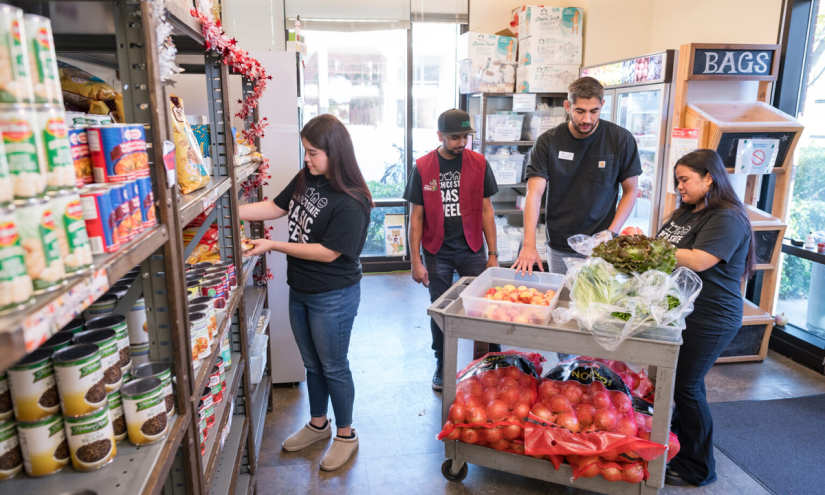
College students are also facing significant challenges, as they do not have guaranteed meals like K-12 students. Danielle Muñoz-Channel, director of Long Beach State’s Basic Needs Center, reports an increase in students seeking assistance due to a general inability to afford basic living expenses, rather than a specific crisis. Many students are feeling the cumulative effects of rising rent, utilities, and food prices.
Muñoz-Channel is closely monitoring how federal cuts to CalFresh and Medi-Cal benefits may impact students and the future workforce. She emphasizes the importance of meeting students’ basic needs to ensure they can focus on their education. If these needs are not met, students risk not graduating on time or even completing their degrees. The ongoing financial strain on students can lead to higher dropout rates, further exacerbating the cycle of poverty and food insecurity.
Policy Implications and the Way Forward
As California navigates these challenges, it is crucial for policymakers to prioritize the needs of vulnerable populations and ensure that essential support systems remain intact. Expanding access to CalFresh and other nutritional assistance programs is essential for alleviating some of the immediate pressures families face. Additionally, investing in affordable housing and living wage initiatives could provide long-term relief for families struggling to make ends meet.
Furthermore, community engagement and support programs can play a vital role in addressing food insecurity. Local organizations and food banks have become lifelines for many families, providing not just food but also resources and support networks. By fostering partnerships between schools, community organizations, and government agencies, California can create a more comprehensive safety net for families in need.
In summary, the economic pressures facing California families are leading to increased food insecurity, which poses significant risks to students’ academic success and overall well-being. The state must take decisive action to address these issues, ensuring that families have access to the resources they need to thrive. As advocates continue to push for policy changes, the hope remains that California can turn the tide on food insecurity and build a more equitable future for all its residents.
“`


