“`html
Korea’s Challenging English Exam Sparks Apology from Officials
The recent English examination administered in South Korea has drawn significant attention due to its unexpectedly high level of difficulty. The exam, a critical component of the national education system, prompted an official apology from the Ministry of Education after students and parents voiced their frustrations regarding the exam’s complexity. This incident highlights broader issues within the educational framework in South Korea, particularly concerning standardized testing and language proficiency.
The English exam, designed to assess students’ abilities, instead became a source of stress and anxiety, leading to calls for reform in how such assessments are structured.
Background of the Examination
The English exam is part of the national curriculum, intended to evaluate students’ comprehension and language skills. This year’s version included an array of challenging questions that many students found difficult to interpret, leading to a significant number of complaints. The Ministry of Education stated that the exam aimed to reflect real-world language use; however, the execution did not align with the students’ preparation and expectations.
Historically, South Korea’s approach to English education has been heavily influenced by the country’s competitive academic environment and the societal perception of English as a critical tool for success. The national curriculum has undergone numerous revisions over the years, often emphasizing grammar and vocabulary over practical language skills. This focus has led to a disconnect between what is taught in classrooms and what is assessed in standardized tests.
Student Reactions
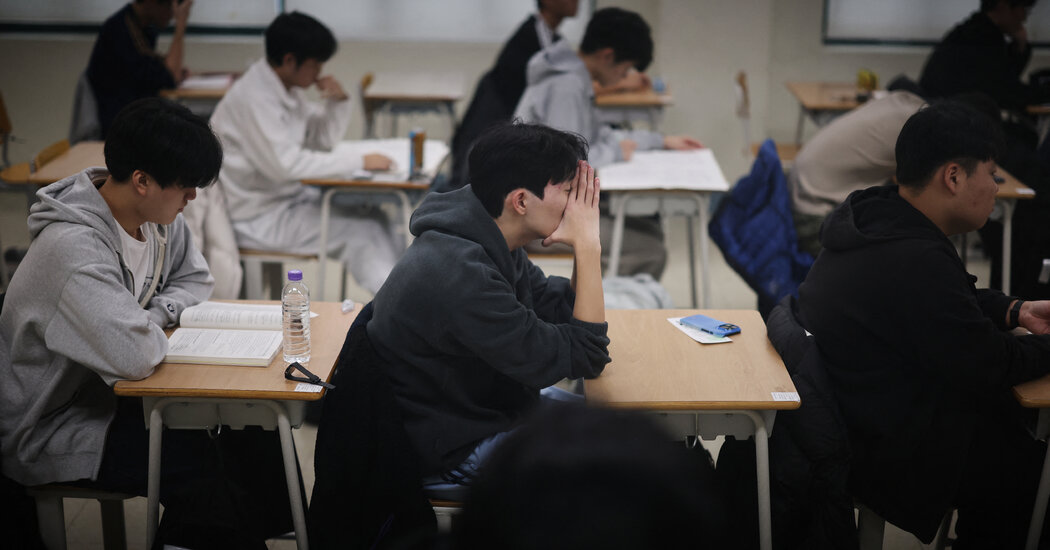
Students reported feeling overwhelmed by the exam’s content, which included complex vocabulary and intricate grammar structures. Many expressed concerns that the exam did not accurately reflect their language abilities or the curriculum they had studied. Social media platforms became a space for students to share their experiences, with many posting about their struggles and the anxiety they faced leading up to the exam.
The emotional toll of such exams is not trivial. Reports indicated increased levels of anxiety and stress among students, with some even citing mental health issues exacerbated by the pressures of high-stakes testing. The overwhelming feedback from students has ignited discussions about the need for a more empathetic and realistic approach to language assessment.
Official Response and Apology
In response to the backlash, the Ministry of Education issued a formal apology, acknowledging the exam’s difficulty and the distress it caused among students. Officials stated that they would review the exam’s content and format to ensure it aligns better with educational objectives and students’ capabilities. This apology reflects a growing awareness of the need for balance between rigorous academic standards and the mental well-being of students.
The Ministry’s response is not only a reaction to public outcry but also a recognition of the evolving landscape of education in South Korea. As societal expectations shift towards a more holistic view of student success, educational authorities are beginning to reconsider the role of standardized testing in fostering a positive learning environment.
Implications for Educational Policy
This incident raises critical questions about the role of standardized testing in education. Critics argue that overly challenging exams can exacerbate stress and hinder learning outcomes. They advocate for a more holistic approach to assessment, one that incorporates various methods of evaluation, including project-based assessments and oral examinations.
Furthermore, the controversy surrounding the English exam in South Korea aligns with global discussions on educational reform. Many educators and policymakers are exploring alternative assessment methods that prioritize student well-being and engagement over rote memorization and high-stakes testing. Countries such as Finland have garnered international attention for their innovative approaches to education, emphasizing student-centered learning and diverse assessment techniques.
Market Context: The Demand for English Proficiency
As South Korea continues to position itself as a global player in various industries, the demand for English proficiency remains high. English is often viewed as a critical skill for professional success, leading to increased pressure on students to excel in language assessments. This pressure can create a cycle of stress and anxiety, as students feel compelled to perform well on exams that may not accurately reflect their capabilities.
In recent years, there has been a surge in private English language tutoring and preparatory courses, as parents seek additional resources to help their children succeed. This trend underscores the importance placed on English proficiency within the educational landscape and the lengths to which families will go to ensure academic success. The private tutoring market has exploded, with many students attending after-school programs that focus solely on exam preparation, further intensifying the pressure to excel.
Future Considerations
Moving forward, it is essential for educational authorities to consider the implications of high-stakes testing on student mental health and overall educational outcomes. Revisions to the English exam format could include a greater emphasis on practical language use, as well as a more diverse range of question types that cater to different learning styles.
Additionally, fostering an environment that prioritizes learning over testing can help alleviate some of the pressures students face. Encouraging collaborative learning, critical thinking, and creativity in language acquisition may lead to more effective language education and a healthier approach to assessment. Schools could consider integrating technology and interactive learning tools that allow students to engage with the language in more dynamic ways.
Conclusion
The recent difficulties surrounding the English exam in South Korea serve as a reminder of the challenges faced by students in a competitive educational environment. The Ministry of Education’s acknowledgment of the issue and commitment to reform is a positive step towards creating a more supportive and effective learning experience for all students. As discussions about educational reform continue, it is crucial to prioritize the well-being of students while maintaining high academic standards.
Ultimately, the path forward will require collaboration among educators, policymakers, and the community to create an educational framework that not only assesses language proficiency but also nurtures a love for learning and a healthy approach to education.
“`


