“`html
Federal Rule Change Impacts Discrimination Investigations in Education
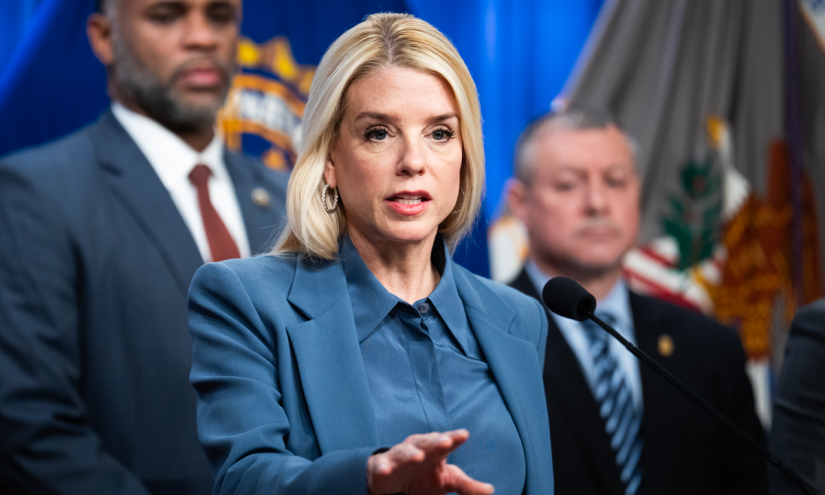
The recent action taken by the U.S. Department of Justice has significant implications for how discrimination is investigated in educational settings across the country. The rule change, announced by Attorney General Pam Bondi, marks a departure from decades of federal policy that aimed to address disparities in education based on race, color, or national origin. This new regulation raises questions about the future of civil rights enforcement in schools and the potential impact on students from marginalized communities.
Historically, Title VI of the Civil Rights Act of 1964 has been a cornerstone in the fight against discrimination in federally funded programs, including education. This law prohibits discrimination and has been used by federal agencies to ensure compliance among school districts. For instance, under previous interpretations of Title VI, the Department of Justice could investigate and hold schools accountable for practices that led to unequal educational opportunities for students of color. One notable case occurred in 2014, when an investigation in New Hampshire revealed that Black students were significantly underrepresented in Advanced Placement and honors courses within the Manchester school district. Such findings highlighted the importance of data in identifying and addressing systemic discrimination.
However, with the recent changes, the federal government has indicated that it will no longer utilize data-driven approaches to hold schools accountable for policies that may unintentionally disadvantage students based on race. This shift aligns with the Trump administration’s broader educational policy agenda, which emphasizes meritocracy and individual treatment over group-based considerations. Bondi stated that the previous rule did not serve the public interest and contradicted the administration’s objectives.
Critics argue that this decision undermines the federal government’s ability to protect students from discrimination, particularly in areas like school discipline, where disparities are well-documented. Research consistently shows that Black students face higher rates of disciplinary actions compared to their peers. For example, a report from the Office for Civil Rights indicated that Native American students in South Dakota’s Rapid City schools were disciplined at disproportionately higher rates than white students. Despite these findings, the Education Department has withdrawn agreements aimed at addressing such disparities, signaling a potential retreat from federal oversight in matters of school discipline.
Opponents of the new regulation, including former Department of Justice attorneys, have voiced concerns about the implications for civil rights. They argue that the absence of federal scrutiny could lead to a regression in efforts to ensure equitable treatment for all students. GeDá Jones Herbert, chief legal counsel at Brown’s Promise, emphasized that discrimination can be subtle and may not always manifest in overt actions, making federal oversight crucial.
As the Education Department prepares to reinstate over 250 civil rights staff who had been on administrative leave, the agency faces a growing backlog of cases related to discrimination complaints. The volume of these complaints has been increasing annually, indicating a persistent need for effective oversight and resolution mechanisms. While the Justice Department’s recent announcement primarily affects its own operations, other federal agencies, including the Education Department, are expected to follow suit. This could further reduce the federal government’s role in monitoring and addressing discrimination in schools.
Critics of the previous administration’s policies argue that the Obama and Biden administrations’ guidance on discipline disparities was necessary to protect students from discriminatory practices. Rick Hess, director of education policy studies at the American Enterprise Institute, described the new policy as a necessary corrective to what he perceives as an ideological misuse of the law. He contends that the previous guidance created a chilling effect on school districts, discouraging them from taking necessary disciplinary actions against disruptive students.
In contrast, advocates for civil rights in education argue that the changes could exacerbate existing inequalities. They stress that the absence of federal oversight could lead to a lack of accountability for schools, particularly in addressing the needs of students from marginalized backgrounds. The fear is that without the threat of federal intervention, schools may not prioritize equity in their disciplinary practices. As the landscape of educational policy continues to evolve, the implications of this regulatory shift will likely be felt across the nation.
The ongoing debate about how best to balance the need for discipline in schools with the imperative to ensure equitable treatment for all students remains a contentious issue. The historical context of educational discrimination and the role of federal oversight has been pivotal in shaping current practices. For decades, federal guidelines have sought to mitigate disparities, ensuring that all students, regardless of their background, have access to quality education and fair treatment.
In light of the recent changes, educational institutions may find themselves navigating a complex landscape where state and local policies may vary widely. Some states may choose to reinforce their own anti-discrimination measures, while others may adopt a more lenient approach. This inconsistency could lead to significant disparities in educational experiences and outcomes across different regions.
Furthermore, as civil rights advocates continue to voice their concerns, the potential for grassroots movements to emerge is likely. Local communities may rally to demand accountability from their school districts, pushing for policies that protect the rights of all students. The role of advocacy organizations will be crucial in this context, as they work to educate parents and students about their rights and the resources available to them.
In conclusion, the recent changes to the Department of Justice’s approach to discrimination investigations in schools represent a significant policy shift that could have far-reaching consequences for students and educational institutions. As federal oversight diminishes, the focus will likely shift to state and local authorities to address these critical issues of equity and access in education. The challenge ahead lies in ensuring that the pursuit of discipline does not come at the expense of fairness and equality for all students.
“`


